What Happens When an Uber Accident Involves Multiple Insurance Policies?
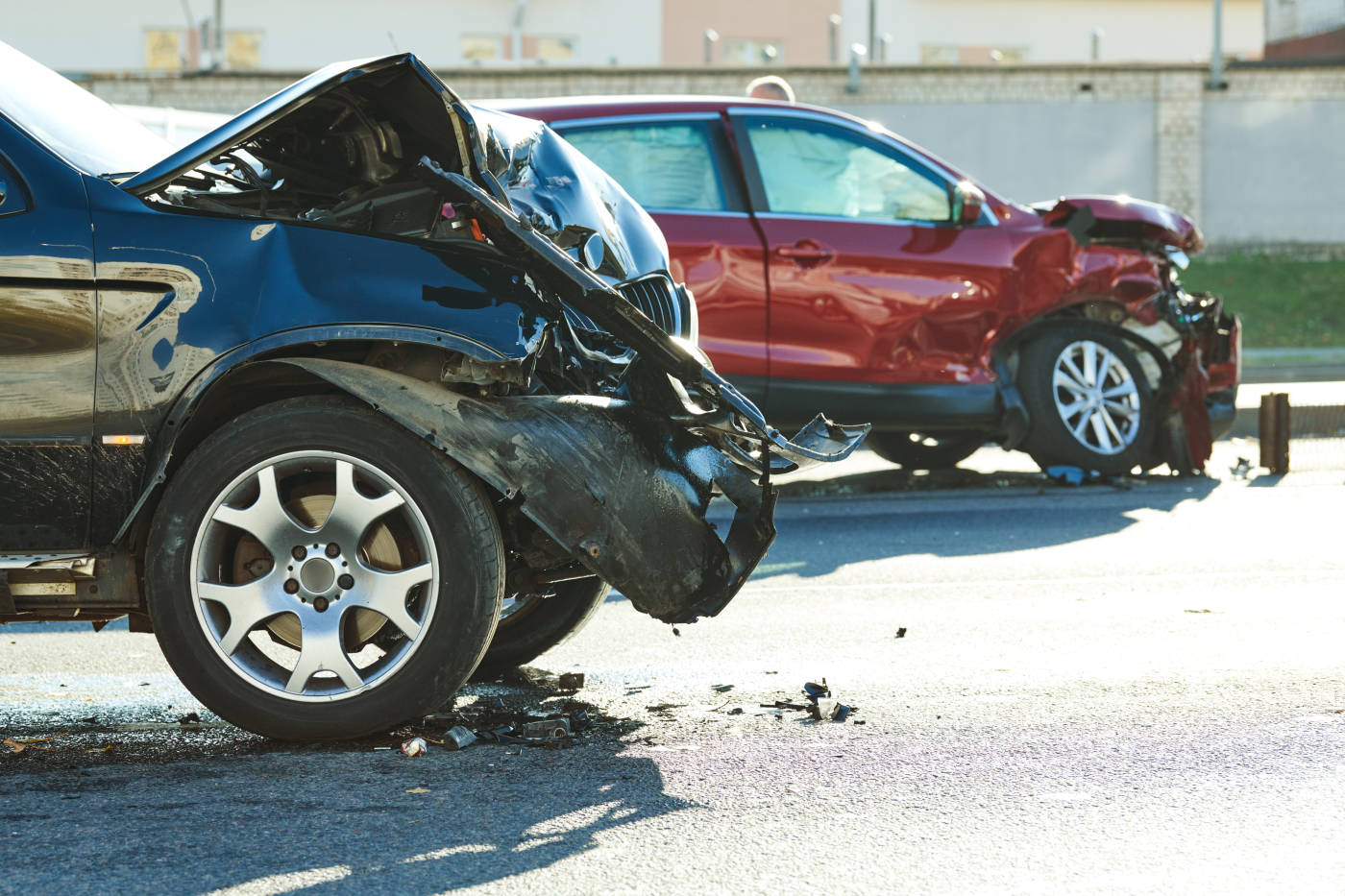
An Uber crash can leave you dealing with several insurance companies at once. Unlike many automobile accidents, rideshare collisions raise immediate questions about which insurer must respond, what coverage was active, and whether more than one policy applies.
The answer depends largely on what the Uber driver was doing when the collision occurred. A claim may involve the driver’s personal policy, rideshare coverage, another motorist’s liability policy, and uninsured or underinsured motorist coverage.
At Hughes & Majstoravich, P.A., we assist people injured in motor vehicle collisions in Morehead City. We review the available policies, accident evidence, and app records to determine how the applicable coverage may affect your claim. Contact us to discuss your legal options after an Uber accident.
Insurance coverage in an Uber accident is not determined only by the number of vehicles involved. It also depends on the rideshare driver’s app status, who caused the collision, and the terms and exclusions of each policy.
The Uber driver’s personal automobile policy is one possible source when the driver is offline. North Carolina law allows personal auto insurers to exclude losses occurring while a driver is logged into a transportation network company’s platform or providing rideshare service. A rideshare endorsement or separate commercial coverage may affect that analysis.
If another driver caused the crash, that driver’s liability policy may be responsible for your injuries and other losses. Uninsured or underinsured motorist coverage may also become relevant when the at-fault motorist has no insurance or insufficient coverage.
The existence of several policies does not permit duplicate recovery. Policy limits, statutory requirements, priority between policies, and the value of your damages affect the amount available.
North Carolina divides rideshare activity into distinct periods. App records, trip data, timestamps, and passenger communications may be needed to establish the driver’s status at the time of the collision.
The driver was offline: When the driver was not logged into the Uber app and was using the vehicle personally, the driver’s personal automobile policy is generally the first policy considered.
The driver was online and waiting: When the driver was logged in but had not accepted a ride, North Carolina requires primary liability coverage of at least $50,000 for injury or death to one person, $100,000 for injury or death to two or more people, and $25,000 for property damage.
The driver had accepted a request: Under North Carolina law, transportation network company service begins when the driver accepts a ride request. At least $1 million in primary automobile liability coverage is required while the driver is providing that service.
A passenger was in the vehicle: The required coverage continues until the later of the driver completing the transaction in the app or all passengers exiting and finishing unloading.
The required rideshare coverage may be maintained by the driver, the transportation network company, or both. If the driver’s coverage has lapsed or does not provide the required protection, the transportation network company’s coverage must respond from the first dollar of the claim and provide a defense.
App status identifies the applicable coverage period, but it does not establish who caused the crash. If the Uber driver caused the collision, the claim generally focuses on the liability coverage in effect for that driver’s status. If another motorist caused it, the claim usually begins with that motorist’s insurer.
Crashes involving several vehicles or disputed accounts require review of the police report, vehicle damage, witness statements, photographs, video, and electronic data. The police report does not conclusively determine civil liability.
North Carolina’s contributory negligence rule makes fault disputes particularly important. If an insurer establishes that your own negligence contributed to the collision, you may be barred from recovering damages, subject to limited legal exceptions. You should therefore avoid guessing about speed, distance, or fault when speaking with an insurer.
In Uber accidents, fault evidence and insurance records must be evaluated together. One determines who may be legally responsible, while the other helps establish which coverage and limits apply.
North Carolina requires rideshare insurance to include uninsured and underinsured motorist coverage while a driver is logged into the app or providing service. This coverage may apply when another driver causes the crash but has no insurance or insufficient liability coverage.
Other UM/UIM policies may also require review. Whether multiple policies can contribute depends on their terms, North Carolina law, the insured vehicles and people, and the damages involved. Multiple policies do not automatically mean that all limits may be combined.
Insurance carriers may begin with different information. Documents commonly relevant to the investigation include:
Crash report: Identifies the drivers, vehicles, reported insurers, witnesses, and the officer’s observations.
Uber app and trip records: Show when the driver logged in, accepted a request, began the trip, and ended the service.
Insurance policies: Identify limits, exclusions, endorsements, deductibles, and conditions.
Photographs and video: May establish vehicle positions, impact points, traffic signals, and road conditions.
Medical and wage records: Document your injuries, treatment, work restrictions, expenses, and lost income.
North Carolina law requires the parties involved in a rideshare claim to exchange specified insurance and app-status information. Preserve your records because insurers may request the same documents or take conflicting coverage positions.
An Uber collision involving multiple insurers requires careful review of the driver’s app status, fault evidence, policy language, and available coverage. Disputes may arise over exclusions, coverage periods, damages, or which insurer must respond first.
At Hughes & Majstoravich, P.A., we investigate motor vehicle accidents, identify potentially applicable insurance, and help you address disputes that may affect your recovery. We serve Morehead City and surrounding North Carolina communities. Contact our firm to discuss your Uber accident and legal options.