How Can Medical Malpractice and Construction Litigation Overlap in Injury Cases
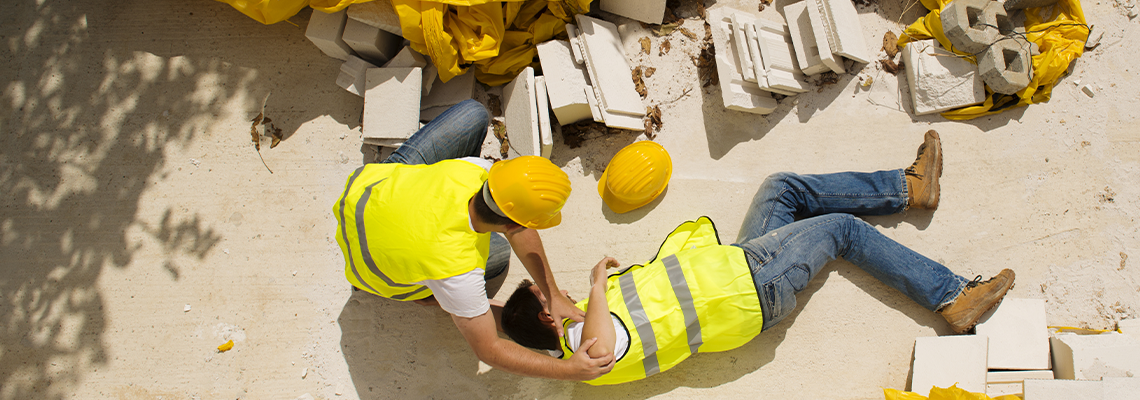
A serious injury can start at a construction site and get worse because of medical treatment, or it can begin with unsafe construction conditions inside a hospital or clinic. That is how medical malpractice and construction litigation can overlap in one case. In North Carolina, those claims may involve different legal duties, different defendants, and different deadlines, so the way the facts fit together matters early.
Our compassionate legal team in Morehead City, North Carolina, at Hughes & Majstoravich, P.A. defends personal injury victims and business owners facing construction litigation lawsuits. We help clients sort out injury claims and construction disputes when more than one legal problem may be involved.
If you were hurt or your business is confronting a construction-related lawsuit—and you suspect that negligent medical care, defective work, unsafe premises, or a contract-related construction issue all played a role—identifying the right claim or defense at the outset can protect evidence and preserve options. We offer free consultations for personal injury victims, and provide skilled representation for business owners involved in construction litigation.
The overlap usually happens in one of two ways. First, you may suffer an initial injury connected to construction work, a dangerous property condition, or defective construction, and then your condition worsens because a doctor, hospital, or other medical provider failed to meet the accepted standard of care.
Second, poor construction or maintenance at a medical facility may itself contribute to a patient’s injury, such as a fall, structural failure, water intrusion, electrical problem, or other unsafe condition. Those are not the same kind of claim.
A medical malpractice case focuses on whether a healthcare provider gave treatment below the applicable professional standard. A construction-related case may focus on defective work, code-related safety issues, dangerous site conditions, negligence, breach of contract, or responsibility among owners, contractors, and subcontractors. One incident can involve both.
An injured worker, visitor, or bystander may first have a personal injury claim tied to a construction site or unsafe building condition. If surgery, diagnosis, follow-up care, medication management, or rehabilitation is then mishandled, the second phase of harm may support a medical malpractice claim.
That distinction matters because North Carolina treats medical malpractice differently from an ordinary negligence case. Under North Carolina Rule of Civil Procedure 9(j), a medical malpractice complaint generally must include a certification that the medical care and records have been reviewed by a qualified expert who is willing to testify that the care did not comply with the applicable standard of care, unless a narrow exception applies. In practice, that means a case involving both construction-related injury and later malpractice may require early expert review before suit can be filed against the medical provider.
Sometimes the overlap runs the other direction. A patient may be injured at a hospital, outpatient center, nursing facility, or medical office because of defective construction, renovation work, poor maintenance, or unsafe temporary conditions. In that situation, the claim may be against a property owner, contractor, subcontractor, or maintenance company rather than, or in addition to, a healthcare provider.
For example, if a patient falls because flooring was improperly installed during renovation, that may point toward premises liability or construction-related negligence. If a provider then ignores obvious signs of a serious injury or delays necessary treatment, the case may expand beyond the original unsafe condition. The legal question becomes not just who caused the first injury, but who made the outcome worse.
In overlapping cases, different defendants may owe different duties to you. A surgeon’s duty is not the same as a general contractor’s. A property owner’s obligations differ from those of a subcontractor or design professional. The evidence also differs. Medical records, expert opinions, hospital policies, contracts, inspection reports, repair records, photographs, and witness statements may all be important, but not for the same reasons.
That is one reason these cases can become complicated quickly. A healthcare provider may argue that the real cause of harm was the original accident. A contractor may argue that later medical treatment, not the construction condition, caused the lasting damage.
Sorting out who caused the initial injury, who contributed to additional harm, and what damages belong to each claim is often central to the case. In some matters, that analysis also affects construction litigation issues beyond bodily injury, including defective work, indemnity obligations, insurance coverage, and contract-based responsibility between project participants.
If you think your injury involves both negligent medical care and a construction-related problem, start by gathering the timeline. Try to identify where the first injury happened, what treatment followed, when complications appeared, and who was involved at each stage. Keep copies of medical records you receive, bills, photographs, incident reports, and any construction-related documents or communications you have.
It also helps to avoid assuming that one claim cancels out the other. A bad medical outcome does not automatically mean malpractice occurred, and a construction defect does not automatically mean a contractor is legally responsible to you. But when both are possible, having the facts reviewed together can reveal issues that are easy to miss if each problem is viewed in isolation.
At Hughes & Majstoravich, P.A., our attorneys help clients in Morehead City evaluate whether an injury case involves one claim, several claims, or a mix of personal injury, medical malpractice, and construction-related issues. We represent both personal injury victims and business owners who are facing construction litigation or related lawsuits.
Our services include reviewing the timeline, identifying potential defendants, examining whether expert review may be required, and looking at how contract disputes or defective work allegations may intersect with bodily injury claims. Our firm is founded on teamwork and traditional principles, and we place a strong emphasis on impeccable ethics, honesty, and practical decision-making.
We also offer competitive fees. In automobile personal injury cases, our contingent fees are 25% of the recovery unless and until we file a lawsuit, at which time the contingent fee increases to 33.33% of the recovery. We have often found that filing suit is not always in a client’s best interests, and many clients prefer to avoid litigation when possible.
If you are trying to determine whether unsafe construction, defective work, negligent treatment, or all three contributed to your losses—or if you are a business owner facing a construction litigation lawsuit—Morehead City personal injury and construction litigation guidance can help you decide what to preserve, what questions to ask, and what kind of claim or defense may actually fit the facts. If you are a personal injury victim, contact us for a free consultation. Business owners seeking guidance or defense in construction litigation matters are welcome to reach out for experienced legal representation.