Common Mistakes People Make With Injury and Workers’ Compensation Claims — and How to Avoid Them
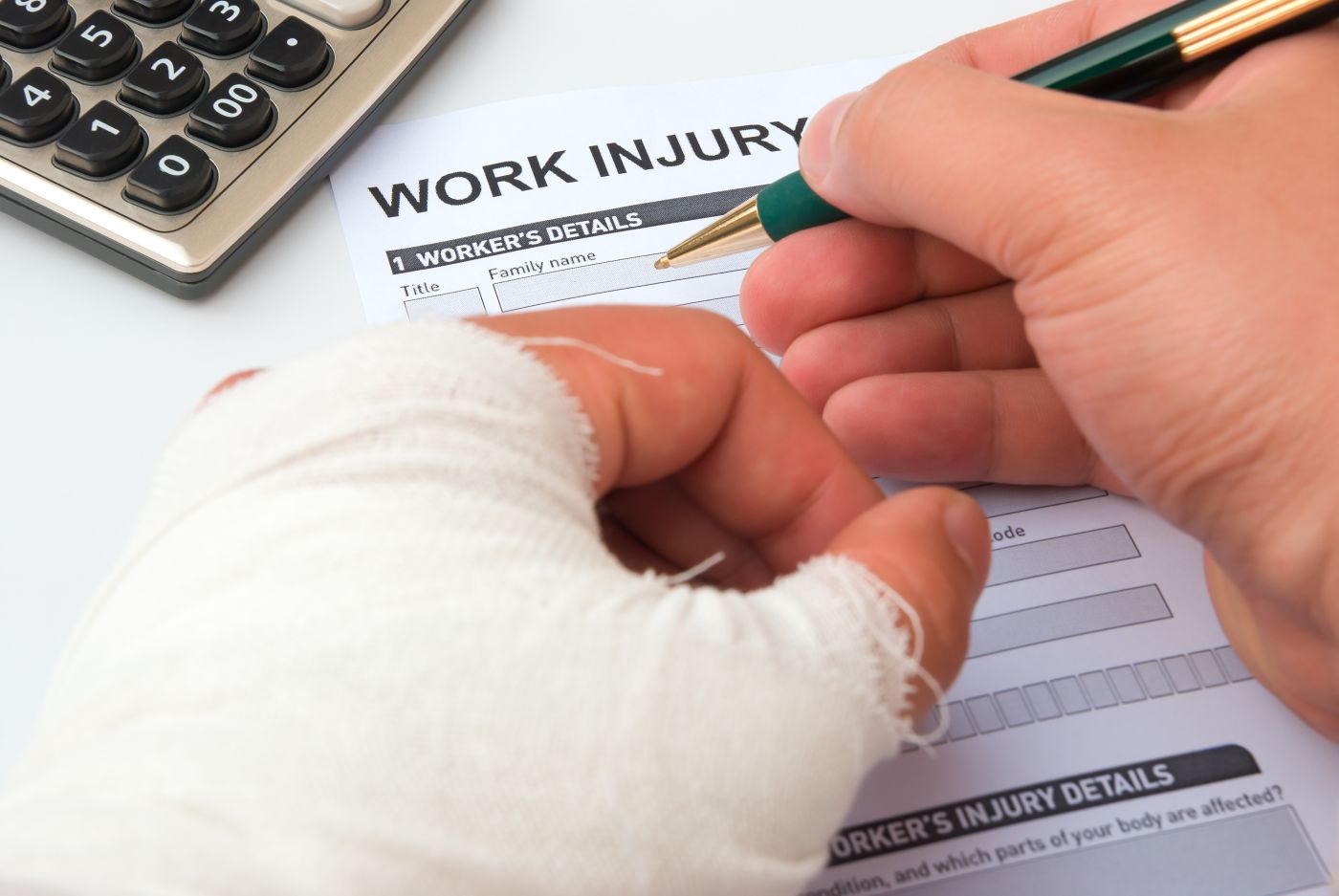
Getting hurt on the job can turn life upside down faster than most people expect. One day you’re focused on work and routine, and the next you’re dealing with pain, missed paychecks, medical appointments, and a growing list of questions.
It’s not unusual to feel pressure to act quickly, especially when bills don’t stop and employers or insurers start asking for information right away. Throughout North Carolina, we see how injured workers often make decisions under stress that later affect their ability to receive Workers' Compensation benefits.
At Hughes & Majstoravich, P.A., we work with clients in Morehead City, North Carolina, and throughout Eastern North Carolina who are trying to avoid common missteps while protecting their rights. If you’ve been injured at work and are unsure what to do next, reach out to us to discuss your situation and get clarity before mistakes pile up.
One of the most common mistakes we see is delaying reporting a workplace injury. Some people hope the pain will fade, while others worry about causing trouble or appearing unreliable at work. Unfortunately, waiting can create serious problems with workers' compensation claims.
North Carolina has deadlines for reporting work-related injuries, and missing them can make it harder to receive benefits. Even if symptoms seem mild at first, injuries often worsen over time. Reporting the incident promptly helps create a clear record tying the injury to your job duties.
Early reporting also protects credibility. When there’s a long gap between the injury and the report, insurers may question whether the injury happened at work. Acting sooner gives a Workers' Compensation claim a stronger foundation from the start.
Another frequent issue arises when injured workers delay medical treatment. Adrenaline, pride, or concern about costs can cause people to put off seeing a doctor. This delay can affect both recovery and the Workers' Compensation process.
Medical records play a significant role in showing the extent of an injury and how it affects the ability to work. When treatment begins right away, those records reflect the injury’s progression and related symptoms. Waiting too long can make it easier for insurers to argue that the injury wasn’t serious or wasn’t job-related.
Problems caused by delayed medical care include:
Gaps in medical documentation
Disputes over whether the injury is work-related
Worsening physical conditions
Added stress during the claims process
Prompt care protects health and strengthens a Workers' Compensation claim. Even if treatment seems inconvenient, it often prevents larger issues later. Early treatment also creates clearer records that support the connection between the injury and the workplace.
Insurance representatives often ask injured workers for recorded statements early in the process. While these requests may sound routine, answering questions without preparation can create challenges down the line.
Statements given shortly after an injury may be incomplete or unclear due to pain, stress, or limited medical information. Even minor inconsistencies can later be used to question the claim. Many people don’t realize they’re not required to give detailed recorded statements right away.
We often advise clients to speak with a lawyer before providing recorded statements related to Workers' Compensation. Having guidance helps keep the focus on accurate information and avoids unnecessary confusion. Thoughtful communication protects your position throughout the claim.
Financial pressure pushes many injured workers back to the job before they’re ready. While returning to work can feel necessary, doing so too soon may slow recovery and complicate Workers' Compensation benefits. This decision can also create confusion about ongoing symptoms and work limitations.
Doctors may place restrictions on activities such as lifting, standing, or repetitive motion. Ignoring these restrictions can worsen injuries and raise questions about the seriousness of the claim. Employers and insurers may argue that the injury has resolved if someone returns to full duties too quickly.
Risks of returning to work prematurely include:
Aggravating the original injury
Conflicting medical records
Reduced eligibility for benefits
Longer recovery timelines
Following medical guidance helps protect both physical health and Workers' Compensation rights. Clear communication about restrictions is key to avoiding setbacks. Taking recovery seriously also helps prevent disputes that can arise when work activity doesn’t match medical recommendations.
Many people believe Workers' Compensation benefits will be approved automatically once an injury is reported. In reality, claims can be denied, delayed, or disputed for various reasons. Assuming approval without follow-up is a common mistake.
Workers' Compensation benefits typically cover medical treatment and a portion of lost wages, but they don’t address every loss. Missed deadlines, incomplete paperwork, or disagreements about the injury can interrupt benefits. Staying involved and informed throughout the process helps prevent surprises.
We remind clients that Workers' Compensation claims require attention, documentation, and follow-through. Asking questions and seeking guidance early often makes the process smoother and less stressful. Staying organized from the beginning can also help prevent delays or misunderstandings later.
Workplace injuries already bring enough challenges without added complications from avoidable errors. At Hughes & Majstoravich, P.A., we help injured workers across Eastern North Carolina avoid common mistakes with Workers' Compensation claims and make informed decisions from the start.
Our attorneys focus on clear communication and practical guidance tailored to each situation. If you’ve been hurt on the job and have questions about Workers' Compensation, reach out to us today to discuss your options and take the next step forward.