What Should Victims Know About Dog Bite Liability and Insurance Coverage?
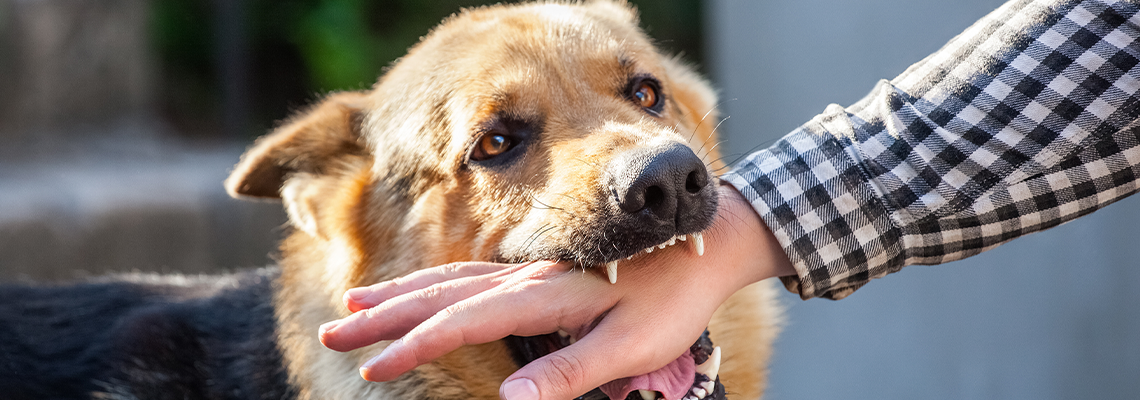
A dog bite can leave you dealing with medical bills, missed work, and an owner or insurer who may already be disputing what happened. In North Carolina, a victim’s right to recover compensation often depends on how the attack happened, whether the dog was considered “dangerous,” and whether the owner was negligent. Insurance may help cover the claim, but coverage is not automatic and policy exclusions can matter.
At Hughes & Majstoravich, P.A., we help injury victims in Morehead City, North Carolina, sort out those questions early. A free consultation can help you understand whether a dog owner may be legally responsible, what insurance coverage may apply, and what steps may protect your claim before records disappear or statements are taken out of context.
North Carolina does not apply a simple rule that every dog owner is automatically liable for every bite. Liability often turns on negligence, local animal-control violations, or whether the dog falls within special statutory rules for dangerous dogs.
In many cases, the question is whether the owner failed to use reasonable care. That can include letting a dog run loose, ignoring prior aggressive behavior, failing to secure a gate, or violating a leash law. If that failure led to the attack, the owner may be responsible for the victim’s losses.
North Carolina also has a statute addressing injuries caused by certain dogs that have previously been declared dangerous or potentially dangerous. Under North Carolina’s dangerous dog law, an owner can face civil liability for injuries caused by a dangerous dog. In practice, that means a prior history of aggression can significantly affect a claim.
The details matter. A bite that happened in a yard, on a sidewalk, at a rental property, or inside someone’s home may raise different questions about control, notice, and fault.
Many people assume there is a strict “one bite rule,” meaning the owner gets one free pass unless the dog has attacked before. That is too simplistic for North Carolina.
A prior bite or prior aggressive behavior can be powerful evidence that the owner knew the dog posed a risk. But a victim may still have a claim without proof of an earlier attack if the owner acted carelessly in some other way. For example, letting a large dog roam off-leash near neighbors or visitors may support a negligence claim even if the dog had not bitten before.
That is one reason early investigation matters. Witness statements, animal-control reports, photos of the property, and veterinary or prior complaint records may help show what the owner knew and whether reasonable precautions were ignored.
Many dog bite claims are paid through insurance rather than directly by the dog owner. The most common source is a homeowner’s insurance policy or renter’s insurance policy that provides personal liability coverage. In some situations, another policy may apply, depending on where the attack happened and who had control of the dog.
Even so, coverage disputes are common. Some policies exclude certain breeds, exclude dogs with a known bite history, or deny coverage when the incident involves a business use of the property. Others may have notice requirements or other conditions that affect whether the insurer will pay.
That is why identifying available coverage is a key part of a claim. In a personal injury claim, it is not enough to know that a bite happened. You also need to know which policy applies, what exclusions may be raised, and whether the insurer is evaluating the claim under the correct facts.
A dog bite claim may include more than the cost of emergency treatment. Depending on the facts, damages may include:
Medical expenses
Future medical care
Lost wages
Reduced earning capacity
Pain and suffering
Scarring or disfigurement
Emotional or psychological harm related to the attack
Children often face additional long-term issues, especially when scarring or reconstructive treatment is involved. A claim should account not only for the first hospital bill but also for follow-up care, infection treatment, plastic surgery consultations, and the practical effect of visible injuries.
If the insurer tries to resolve the claim before the medical picture is clear, a quick settlement can leave the victim covering later expenses alone.
The first priority is medical care. Dog bites can cause puncture wounds, nerve damage, infection, and lasting scarring even when the injury looks minor at first.
After that, it helps to take practical steps that support both your health and any future claim:
Seek medical attention immediately.
Get the dog owner’s name and contact information.
Ask whether the dog has current rabies vaccination records.
Photograph injuries, torn clothing, and the scene.
Report the incident to local animal control or law enforcement if appropriate.
Keep records of treatment, prescriptions, and time missed from work.
Avoid giving detailed recorded statements to an insurer before you understand the claim.
If the bite happened in or near Morehead City, local reporting and documentation can become important evidence, especially if there are prior complaints involving the same dog.
At Hughes & Majstoravich, P.A., we approach injury claims with the practical concerns of the client in mind. Our firm is built on teamwork, traditional principles, honesty, and clear communication about fees. We offer free consultations to personal injury victims, and in automobile personal injury cases our contingent fees are 25% of the recovery unless and until a lawsuit is filed, at which point the fee increases to 33.33%.
If you were bitten by a dog in Morehead City, we can help you evaluate who may be liable, what insurance coverage may exist, what evidence should be preserved, and whether an early settlement offer reflects the real cost of the injury. We have often found that filing suit is not always in a client’s best interests, and many clients prefer to resolve claims without litigation when possible.
If you want to learn more about Morehead City personal injury representation, contactus for a free consultation about your dog bite injury and the insurance issues that may affect your recovery.