Why Motorcycle Accident Cases Often Involve Complex Liability Questions
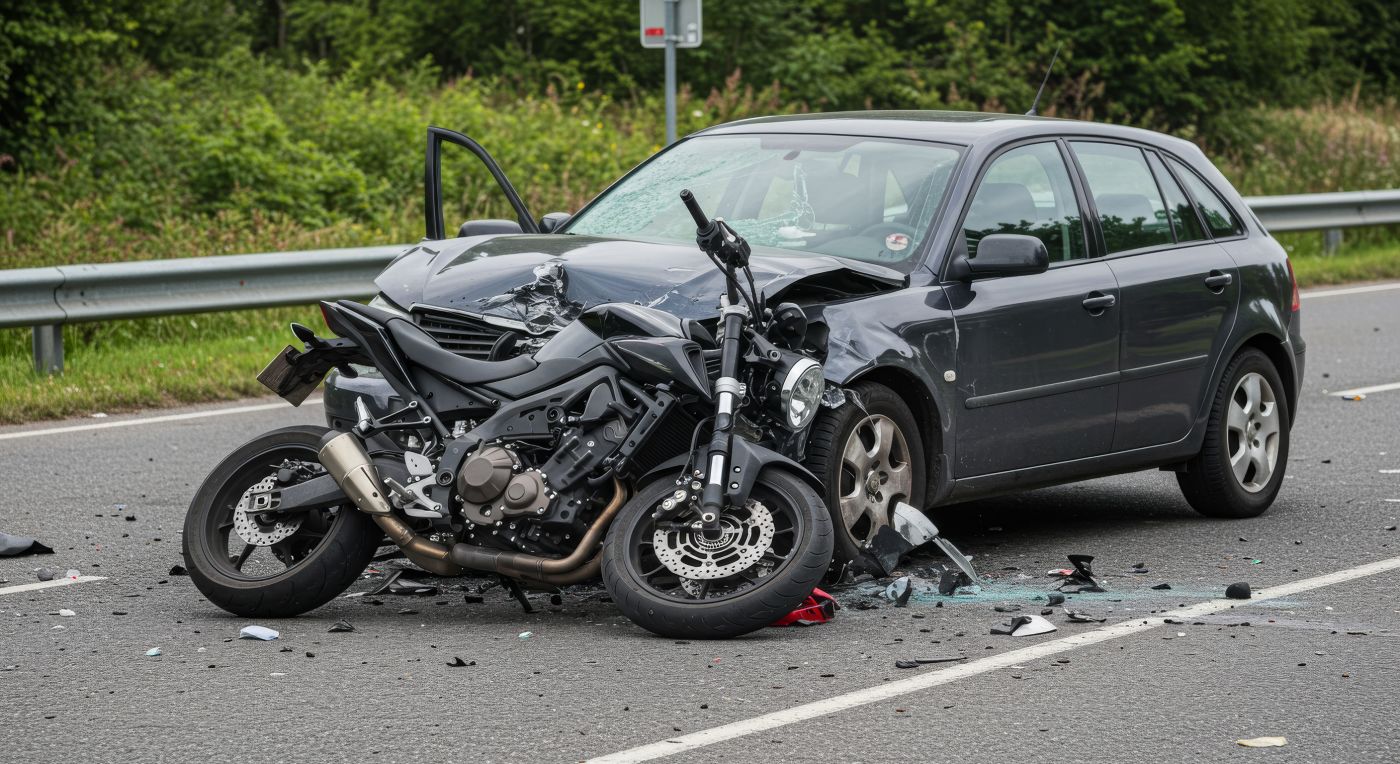
After a motorcycle crash, you may already know you are hurt and facing medical bills, lost income, and calls from insurance adjusters. What is often less clear is who is legally responsible and how fault will be evaluated under North Carolina law. We help injured people in Morehead City understand those issues and pursue personal injury claims based on the facts of the collision.
At Hughes & Majstoravich, P.A., we handle personal injury matters, including motorcycle accident cases, for people in Morehead City, North Carolina. When liability is disputed, early legal guidance can help preserve evidence, identify all possible sources of recovery, and avoid mistakes that may affect your claim. Rely on our attorneys to build a strong case on your behalf so you can focus on recovery. Schedule a consultation today to learn more.
Motorcycle accident cases often raise more liability questions than a typical two-car collision because the facts are frequently contested from the start. Drivers may say they “never saw” the motorcycle.
Insurance companies may argue the rider was speeding, changing lanes, or otherwise contributed to the crash. Witnesses may have only seen part of what happened. In some cases, road conditions, vehicle defects, or a second vehicle that left the scene may also play a role.
In North Carolina, fault matters greatly. North Carolina follows a contributory negligence rule, which can bar recovery if an injured person is found to have contributed to the accident, even to a small degree.
That makes the investigation especially important in motorcycle cases. A claim is not just about proving that you were injured. It is also about developing clear evidence of how the crash happened and responding to allegations that may be raised against you.
Many motorcycle crashes happen in situations where one party’s account does not tell the whole story. A left-turn collision is a common example.
A driver may turn across a rider’s path and later claim the motorcycle was traveling too fast to see. In a lane-change crash, a driver may say the motorcycle was in a blind spot, while the rider may have been lawfully occupying the lane. Rear-end collisions, intersection crashes, unsafe passing, and dooring incidents can also lead to conflicting versions of events.
Some cases involve more than one potentially responsible party. A driver may have caused the immediate impact, but poor road maintenance, debris, obscured signage, or defective motorcycle parts may also warrant examination. We look at the available facts to determine whether liability may extend beyond the other driver and whether additional insurance coverage may be relevant.
When fault is disputed, evidence often decides whether a claim can be resolved fairly. Police reports may help, but they do not always answer every question.
We often look at photographs of the scene, damage to the motorcycle and other vehicles, witness statements, medical records, and any available video footage. In the right case, vehicle data, helmet damage, road markings, and debris patterns may also help explain the sequence of events.
Prompt action can make a difference because evidence may disappear. Skid marks fade, vehicles are repaired, and witnesses become harder to reach. Insurance companies may begin evaluating the claim quickly, sometimes before the full medical picture is clear. We help clients gather and organize information that may support a personal injury claim and present it in a way that directly addresses likely fault arguments.
Many injured riders are surprised by how quickly an insurance company tries to shift attention to the motorcyclist’s behavior. An adjuster may ask for a recorded statement, suggest that the rider took a known risk by riding a motorcycle, or question whether protective gear was used. Those issues do not automatically determine liability, and they should be evaluated based on the actual facts and applicable North Carolina law.
We help by reviewing the circumstances of the collision, handling communications related to the claim, and identifying where an insurer’s position may be based on assumptions rather than evidence. In a personal injury claim, details matter. The location of the vehicles, the right-of-way, visibility, speed estimates, and the timing of evasive actions may all affect how responsibility is assessed.
Motorcycle accident claims often require more than sending medical bills to an insurer. If liability is disputed, the claim may require a detailed factual investigation, careful analysis of North Carolina negligence law, and a clear response to allegations of contributory negligence. It may also involve evaluating damages such as medical expenses, lost wages, pain and suffering, and the expected course of treatment, depending on the facts of the case.
We assist by investigating the crash, reviewing available records and evidence, communicating with insurers, and working to place the claim in the strongest possible factual position. If a fair resolution is not offered, the case may require litigation. What that process involves will depend on the facts, the parties, and how the liability issues develop.
Every case is different, but a motorcycle accident claim often begins with an investigation into liability and damages. That may include reviewing the police report, obtaining medical records, identifying witnesses, evaluating insurance coverage, and assessing whether additional evidence should be preserved. Once the claim is developed, settlement discussions may follow.
If the case cannot be resolved through negotiation, filing a lawsuit may become necessary. Litigation can involve written discovery, depositions, motions, and continued evaluation of evidence related to fault and damages. We explain the process in practical terms so you understand what is happening, what decisions may need to be made, and how disputed liability may affect the course of the case.
At Morehead City personal injury law firm Hughes & Majstoravich, P.A., we handle automobile and personal injury cases on a contingent fee basis. In automobile personal injury matters, our contingent fee is 25% of the recovery unless and until we file a lawsuit. If a lawsuit is filed, the contingent fee increases to 33.33% of the recovery, which is lower than some other lawyers charge.
That fee structure matters to many injured clients because a motorcycle accident can create immediate financial pressure. We believe people should understand how representation is paid for before they decide whether to move forward.
Our practice includes personal injury matters in Morehead City, and we work with clients who need practical guidance about liability, insurance issues, and the steps involved in pursuing a claim. If you want to discuss a motorcycle accident case and how we can help, contact our firm today.