Car Accidents: Establishing Liability in Rear-End Collisions and Sudden-Stop Defenses
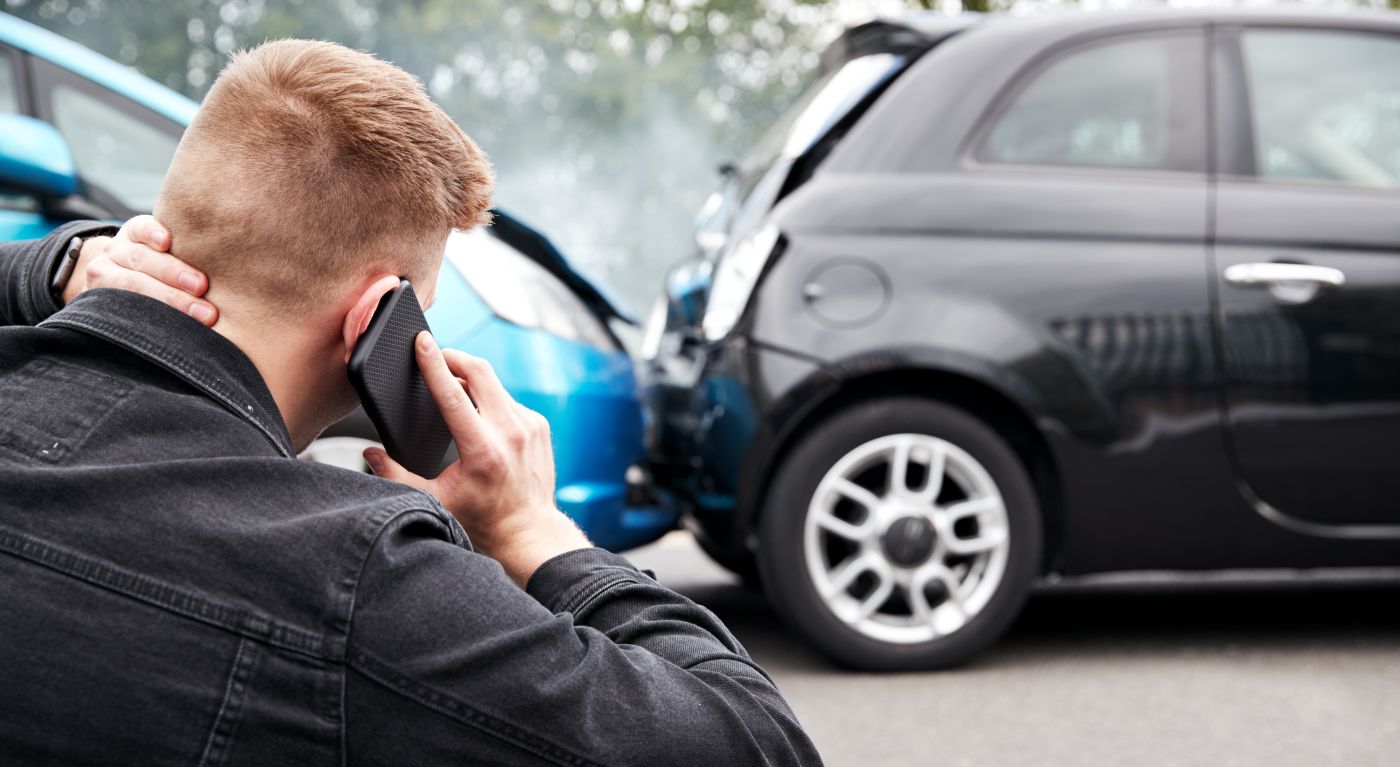
A rear-end collision can happen in seconds, but the effects can last much longer. Whether you were sitting at a red light or slowing down in traffic, the sudden impact can leave you shaken, injured, and unsure of what comes next. It’s not just about the physical damage—there’s also the stress of dealing with insurance claims, missed work, and questions about accountability.
While the rear driver is often presumed to be at fault, there are situations where that assumption is challenged. At Murrelle, Hughes & Majstoravich, P.A., we work with individuals to examine the facts. If you’re dealing with car accidents in Morehead City, North Carolina, or the surrounding communities, we’re here to help you. Reach out to us to discuss your situation.
In many car accidents involving rear-end collisions, there is a general assumption that the driver who struck the vehicle from behind is responsible. This is based on the expectation that drivers maintain a safe following distance and remain alert to traffic conditions ahead.
However, liability is not always automatic. Each accident is evaluated based on the circumstances, including driver behavior, road conditions, and any contributing factors. While the rear driver may be presumed at fault, that presumption can be challenged with evidence.
Some of the elements often considered when determining liability are:
Following distance: Drivers are expected to leave enough space to stop safely if traffic slows or comes to a stop.
Driver attentiveness: Distractions such as phone use or inattention can contribute to rear-end collisions.
Speed and traffic flow: Driving too fast for conditions can contribute to collisions.
Road and weather conditions: Rain, fog, or poor visibility may affect the evaluation of the fault.
These factors help paint a clearer picture of what occurred and who may be responsible. While the default assumption may favor one side, a closer look at the details can shift that outcome.
Although rear drivers are often blamed in car accidents, there are situations where the lead driver’s actions are called into question. One of the most common arguments involves a sudden or unexpected stop.
A sudden stop defense may arise when the lead driver brakes abruptly without a clear reason, making it difficult for the driver behind to react in time. This doesn’t automatically remove responsibility from the rear driver, but it can influence how liability is shared.
Some examples of situations where this defense may be raised are:
Abrupt braking without cause: Stopping suddenly in flowing traffic without a clear hazard.
Brake checking: Intentionally hitting the brakes to intimidate or react to another driver.
Malfunctioning brake lights: If brake lights aren’t working, the rear driver may not have adequate warning.
Unexpected hazards: Sudden stops caused by obstacles may still be reviewed to determine whether the reaction was reasonable.
These scenarios show that liability in car accidents is not always one-sided. Evidence such as witness statements, vehicle damage, and traffic footage can help determine whether a sudden stop played a role.
Determining fault in rear-end car accidents often depends on the available evidence. The more information that can be gathered, the clearer the picture becomes. This is especially important when there are disputes about what happened leading up to the collision.
Some of the types of evidence that may be used to support a claim are:
Police reports: Officers may document their observations and initial conclusions at the scene.
Photographs and videos: Visual evidence can show vehicle positions, damage, and road conditions.
Witness statements: Third-party accounts can provide additional perspectives on the accident.
Vehicle damage analysis: The location and severity of damage can help reconstruct the impact.
Traffic camera footage: In some cases, recorded footage may capture the moments leading up to the crash.
This information can be valuable when evaluating competing claims. When a sudden stop defense is raised, evidence becomes even more important in determining whether that defense applies.
Even though rear-end collisions are common, resolving liability disputes is not always straightforward. Challenges can arise when both drivers present different accounts of what happened or when evidence is limited.
In car accidents involving sudden-stop defenses, determining fault may involve careful review of timing, distance, and driver behavior. This can lead to disagreements between parties and insurance carriers.
Some of the common challenges are:
Conflicting statements: Drivers may recall events differently, leading to disputes about fault.
Limited evidence: Without clear documentation, it can be difficult to confirm how the accident occurred.
Shared fault arguments: Both drivers may be assigned a portion of responsibility depending on the circumstances.
Insurance disputes: Carriers may challenge claims or interpretations of liability.
Despite these challenges, there are ways to move forward. Gathering documentation early, preserving evidence, and seeking guidance can help strengthen your position and clarify the situation.
After rear-end car accidents, it’s normal to have questions about liability, your rights, and what steps to take next. Whether the fault seems clear or is being disputed, having a better understanding of how these cases are evaluated can help you make informed decisions.
At Murrelle, Hughes & Majstoravich, P.A., we work with individuals to review the details of their cases. We understand that every situation is different, and we take the time to examine the facts. If you’re dealing with car accidents in Morehead City, North Carolina, or the surrounding communities, we’re here to support you. Reach out to us today to discuss your situation.