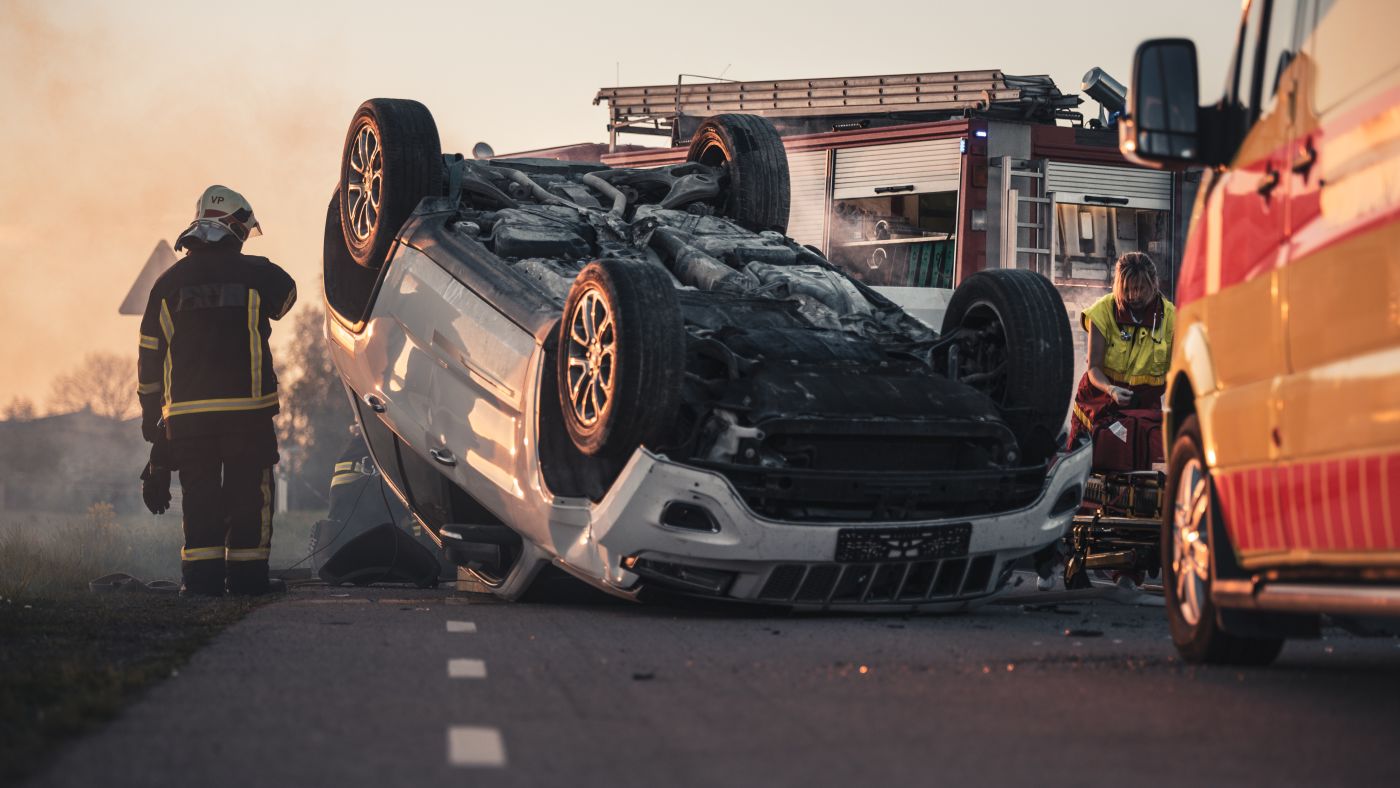
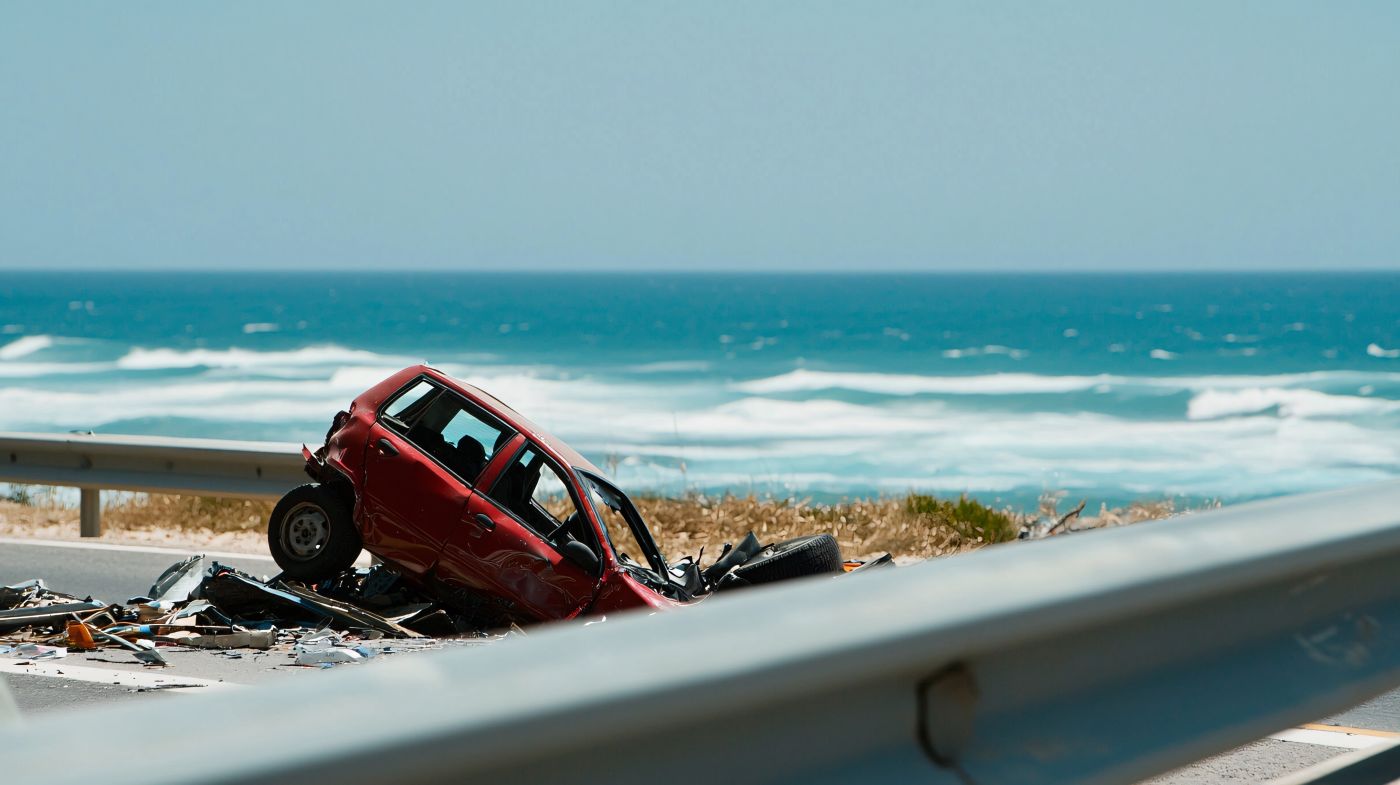
Your tires are vital for your safety on the road — they’re your car’s only connection to the pavement. When they’re not in top shape, it directly affects how well you can control and handle your vehicle. A tire blowout, especially at highway speeds, can cause you to lose control in seconds.
While poor maintenance can lead to a sudden blowout, your everyday driving habits also play a major role in the risk.
Avoid these eight dangerous driving behaviors that cause tire blowouts
Certain actions can severely damage your tires and drastically increase your risk of a dangerous blowout. Here are eight risky behaviors to avoid:
Driving with underinflated tires: This makes tire walls flex too much, building up heat that weakens the tire’s structure and raises blowout risk.
Driving with overinflated tires: This reduces the tire’s contact patch with the road. When hitting potholes or debris, overinflated tires are more likely to suffer damage.
Operating vehicles with worn-out tires: This lowers traction and stability while making tires more prone to punctures and sudden failure.
Exceeding recommended speed limits: Driving too fast generates extra heat and stress on tires, speeding up wear and increasing the chance of a blowout.
Overloading vehicles beyond capacity: Too much weight puts immense pressure on tires, causing overheating and potential failure under the strain.
Ignoring safety regulations for trucking companies: Improper weight distribution and skipped inspections lead to dangerous structural weaknesses in the tires and uneven wear patterns.
Driving aggressively over potholes and road hazards: This can cause immediate damage or create hidden weak points that develop into blowouts later.
Not replacing damaged tires: Leaving punctures, cuts, or cracks means existing damage will only worsen until the tire fails completely.
Many drivers often prioritize getting to their destination quickly over basic tire safety. It’s important to avoid overspeeding, for example, since that also causes tires to overheat and may cause tire blowout-related accidents.
Your rights after being hit by a vehicle with a tire blowout
At the scene of the accident, document everything including photos of the blown tire, vehicle positions and your injuries. Exchange information with the other driver and obtain contact details from any witnesses that saw the accident. Request a copy of the police report because this information can form official documentation of what occurred.
What you’re doing here is forming a solid foundation of evidence for your potential personal injury claim. That can be the gateway for you to get compensation for medical bills, lost wages and pain and suffering if the other driver’s negligence caused the blowout.