North Carolina’s Coastal Hazards & Legal Risk: What Residents Should Know (Auto, Real Estate, Premises Liability, HOA Issues)
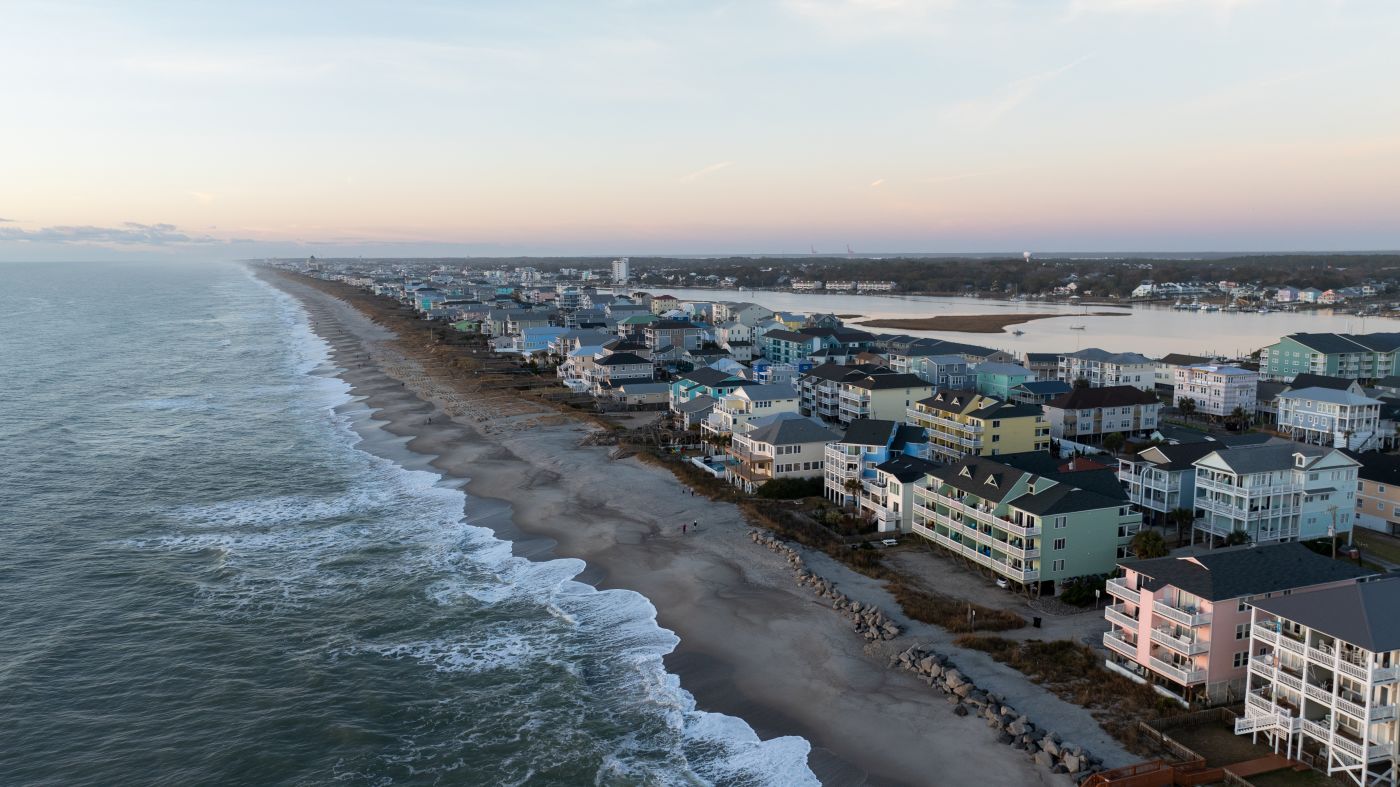
Coastal hazards can affect auto claims, real estate decisions, premises liability questions, and even how homeowner association rules apply when damage spreads across a neighborhood. For residents, property owners, renters, and visitors, the key is knowing where risk tends to show up and what to do early to protect your position.
Between wind-driven rain, flooding, shifting ground, and heavy seasonal traffic, day-to-day decisions can take on added legal weight when something goes wrong. At Murrelle, Hughes & Majstoravich, P.A., we are based in Morehead City, North Carolina, where coastal living can bring unique safety concerns and legal exposure, and we can help you with the legal aspects of your situation.
Coastal hazards often involve multiple causes simultaneously. A single event can include standing water, downed trees, power outages, blocked roads, and damaged roofs, all within a small area. When multiple conditions contribute to a loss, legal disputes often focus on who had control over the hazard, who had notice, and whether a reasonable response was made when it should have been.
Another common issue is timing. Damage that looks minor at first can worsen quickly due to continued rain, humidity, or delayed access to repairs.
That timing can shape everything from insurance reporting to repair decisions and the allocation of responsibility among owners, tenants, associations, and contractors. Those same coastal conditions also affect how auto claims play out when roads, visibility, and traffic patterns change quickly.
Coastal hazards and travel surges can raise the odds of collisions and chain-reaction crashes. After a crash, liability questions can turn on speed for conditions, visibility, following distance, and whether a driver took a risky route through pooled water or a closure.
If you're dealing with an auto claim tied to coastal hazards, it helps to know the issues that commonly create disputes early on:
Roadway conditions at the crash site: Photos of pooling water, debris, signage, and visibility can help explain whether a driver had time to react.
Vehicle damage patterns: Point-of-impact details, undercarriage damage, and airbag deployment can support or challenge a version of how the collision happened.
Statements made at the scene: Short comments can be misunderstood later, so it helps to write down what was said and by whom while it's still fresh.
Medical symptoms that appear later: Soft-tissue injuries may present after adrenaline wears off, which can affect both treatment decisions and claim documentation.
Towing and storage decisions: Where the vehicle was taken, and why, can become a point of friction if costs increase while repairs are delayed.
Auto issues often overlap with property concerns, especially when a storm damages vehicles, homes, and shared infrastructure simultaneously. That overlap is where real estate questions and repair decisions can begin to drive legal risk.
After coastal flooding or wind-driven rain, property disputes often address what was damaged and when. If there's a dispute later, the focus often turns to what was disclosed, what was inspected, and what a reasonable person would have understood from the information available.
Common pressure points in coastal property disputes may be one of the following:
Prior repairs and patchwork fixes: A quick repair may stop visible water without addressing the source, which can lead to disagreements about whether a condition was truly resolved.
Disclosure and misrepresentation questions: Disputes can involve what the seller, landlord, or property manager said, what was omitted, and whether the omission was material.
Boundary and drainage conflicts: Water often follows property lines and easements, and neighbors may disagree about grading changes, runoff, or blocked drainage.
Contractor scope and workmanship: If repairs fail, disputes may arise over what was promised, what was delivered, and whether additional damage was preventable.
Mold and habitability concerns: Moisture can affect living conditions, potentially triggering lease disputes, rent claims, and relocation costs, depending on the circumstances.
Property conflicts can also extend beyond the building itself, especially in places where amenities and common areas bring people together. That shift from private space to shared space is where premises liability issues often surface.
Responsibility can vary depending on whether the property is a private home, a rental, a condominium, a hotel, or a community common area. It can also depend on who controlled maintenance, who had the duty to warn, and whether the hazard was open and obvious under the circumstances.
Situations that often raise premises liability risk in coastal settings include:
Slip and fall conditions after rain or flooding: Wet tile, algae buildup, and uneven surfaces can create hazards that persist long after the weather clears.
Stairway and railing problems: Loose railings, rotted steps, and shifting supports can lead to serious injuries, especially when visibility is poor.
Falling debris and tree hazards: Broken limbs, unsecured outdoor items, and storm damage can injure visitors and residents when cleanup is delayed.
Pool and dock safety issues: Damaged gates, missing signage, and unstable decking can create avoidable injury risks in areas that draw frequent use.
Parking and lighting failures: Outages and damaged fixtures can make trip hazards and vehicle risks harder to see, particularly in high-traffic areas.
When an injury occurs in a community setting, it may also raise questions about rules, maintenance responsibilities, and shared insurance. That naturally leads to homeowner association issues, where obligations and decision-making can affect many households at once.
After a storm or flooding, disputes can arise over what the association must repair and what an individual owner must handle. Even when everyone wants the same outcome, different interpretations of governing documents can lead to conflict over timing, vendor selection, access, and cost.
Insurance can add another layer, since an association policy and an owner's policy may cover different parts of the same loss. If repairs are delayed or incomplete, secondary damage may occur, and neighbors may dispute responsibility for the resulting harm.
If the association considers a special assessment, owners may have questions about notice, voting, documentation, and whether the assessment complies with the governing documents' authority. Those issues often move quickly, so the next step is to identify which actions protect your position while the situation is still developing.
If coastal hazards have led to a crash, property damage, an injury, or an HOA conflict, a prompt legal review can help you understand what matters, what records to gather, and what deadlines may apply.
Our attorneys at Murrelle, Hughes & Majstoravich, P.A. can discuss your situation and help you determine the next steps that fit the facts. Contact our firm in Morehead City, North Carolina, to learn more.